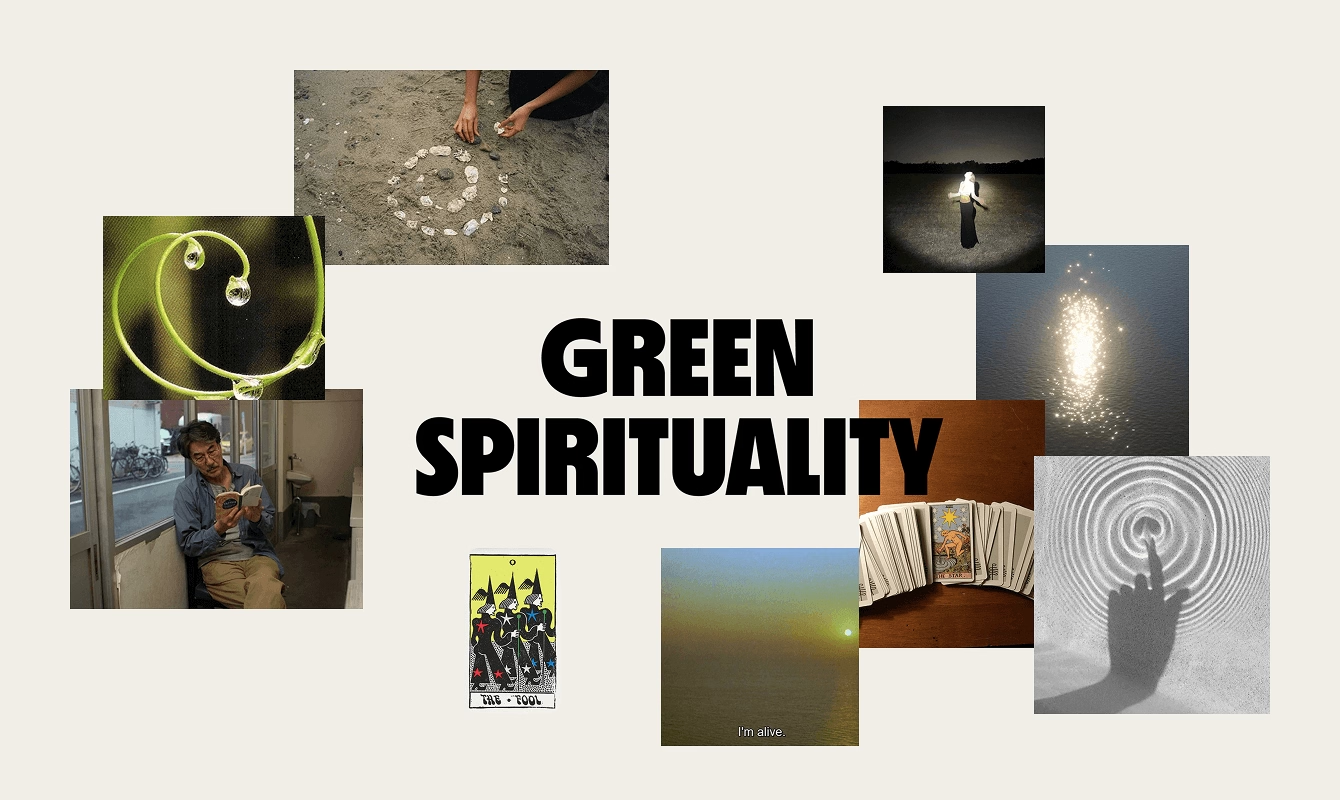
1. Green Spirituality
It’s not about aesthetics; it’s about making a statement.
Symbols such as the tarot, lunar phases, or horoscopes have endured over time because they remind us that we’re part of something larger while grounding us in self-reflection and consciousness. We’ve found refuge in the inspiring, ad-free spaces of books; in the preparation of matcha as a small act of resistance against automation; in the lighting of candles as a way to align intention and presence.
In this suspended sense of time, destiny reveals itself as a territory we can inhabit through radical optimism. Reclaiming symbolic rituals is, for us, a way of restoring meaning to the present.
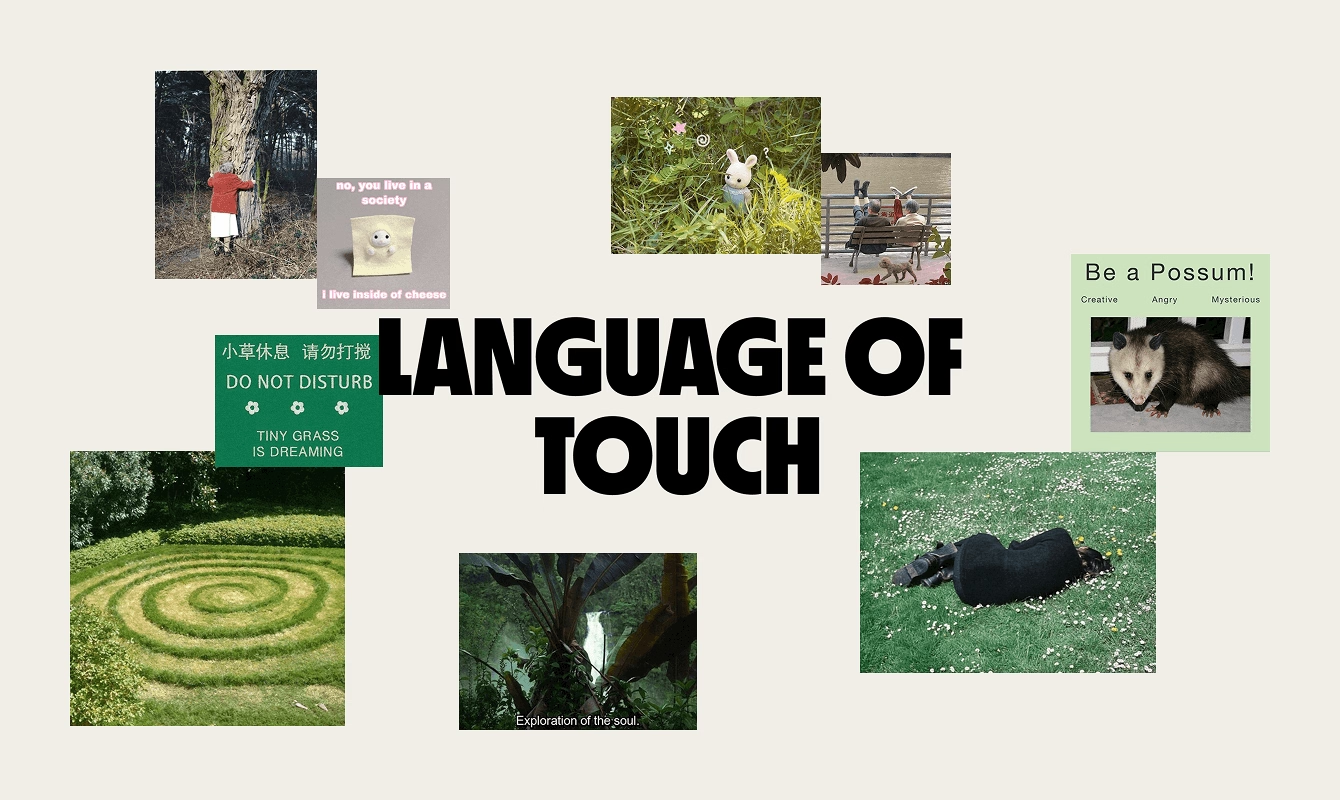
2. Language of Touch
Touching grass, hugging trees, and exposing ourselves to the sun or the wind are logical responses for our need to regulate an overstimulated nervous system. Activities like cycling, running, or hiking are ways to anchor ourselves in the present and in our surroundings.
This sensitivity sharpens as we experience contact. A longing for what is soft, gentle, and tender emerges. After periods of isolation, it’s only natural we rediscover the value of touch within the language of care.
Objects remind us that ideas, too, seek weight and matter. We propose returning to the body so that intuition can find its form.
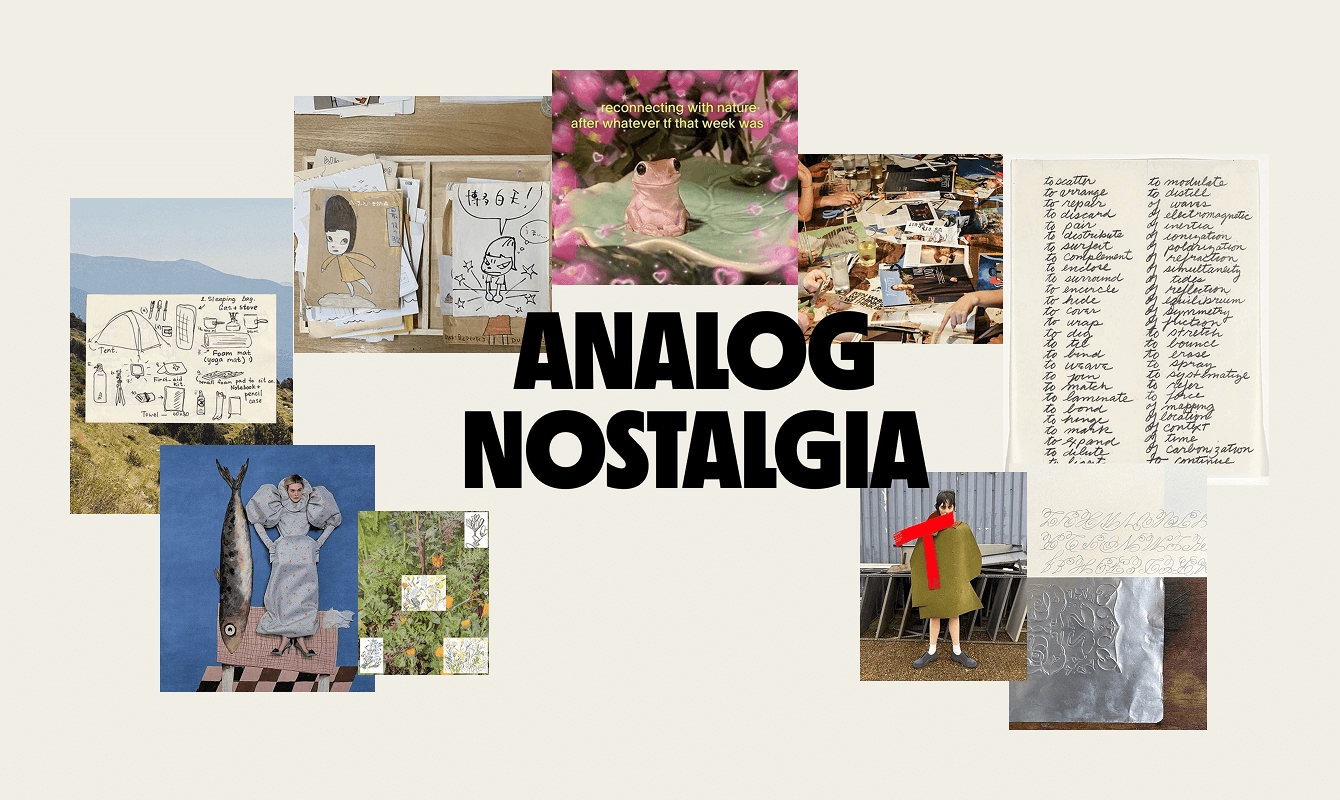
3. Analog Nostalgia
Writing by hand activates the brain more than typing; reading on paper helps slow our racing thoughts. Hyper-optimization calls out to the analog world out of pure necessity for cognitive resonance.
We understand the need to process information through the tangible. Archiving, underlining, or folding pages helps restore a sense of security that screens can’t offer.
We reclaim “mistakes” (what was once seen as imperfection), now as signs of presence and a response to immediacy. A reminder that the creative process will always be an intimate, awkward, and human act. Nostalgia here doesn’t look to the past; it’s used to sustain the present.
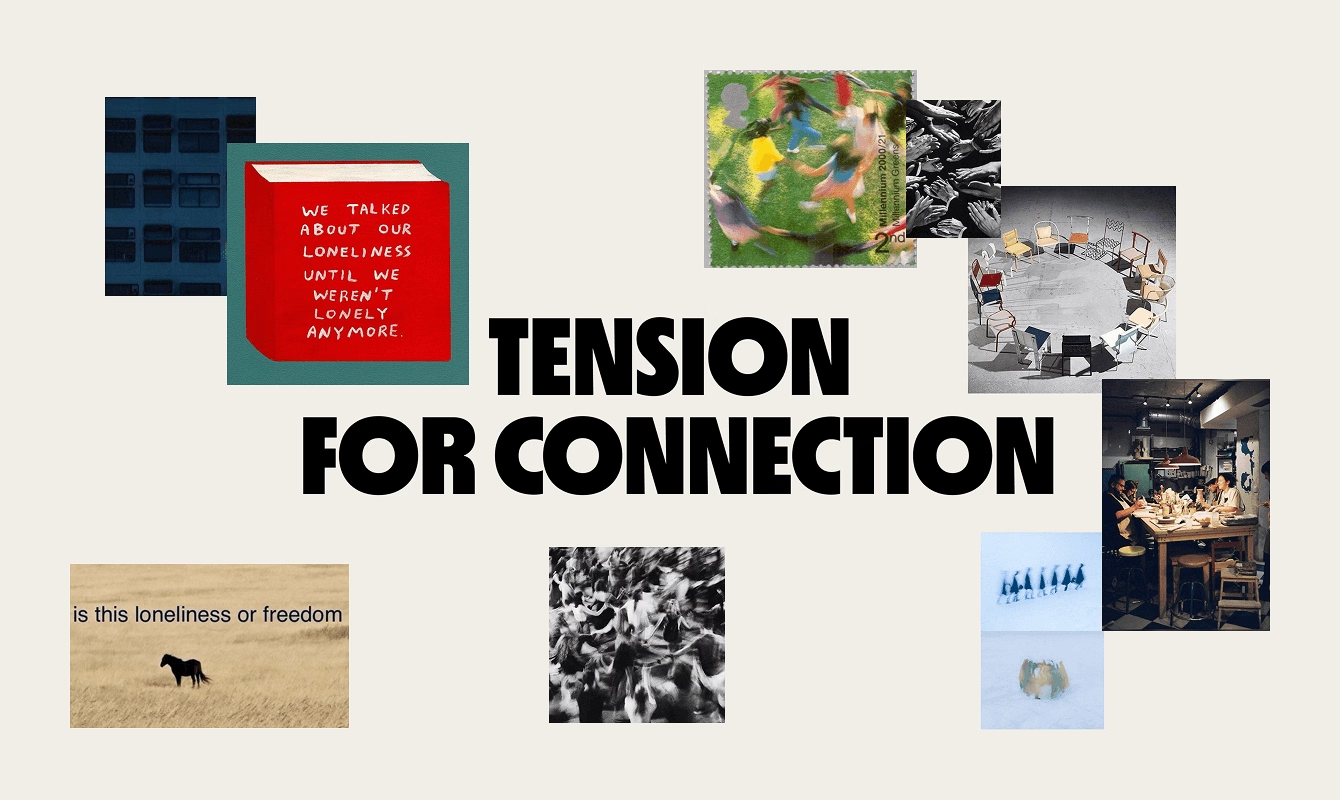
4. Tension for Connection
“The price of community is inconvenience.”
We are living through an epidemic of loneliness. Stress, the productivity that sustains capitalism, social media, and parasocial relationships promise connection while quietly dissolving it.
Sustaining relationships requires friction, time, and effort, but it also expands our tolerance: making room for differences and allowing us to embrace the discomfort that any true community entails.
Such is what Kasia Urbaniak defines as emotional alchemy: the transformation of complaint into desire. A radical request that cultivates relationships capable of changing the way we inhabit the world.
Authors: Carolina Ortiz, Pamela Garcia, Ale Baragiotta, Angel Gómez, Ana Rosenzweig